Types and differences of crypto wallets
Written by:
Alex G.
15 July, 2025
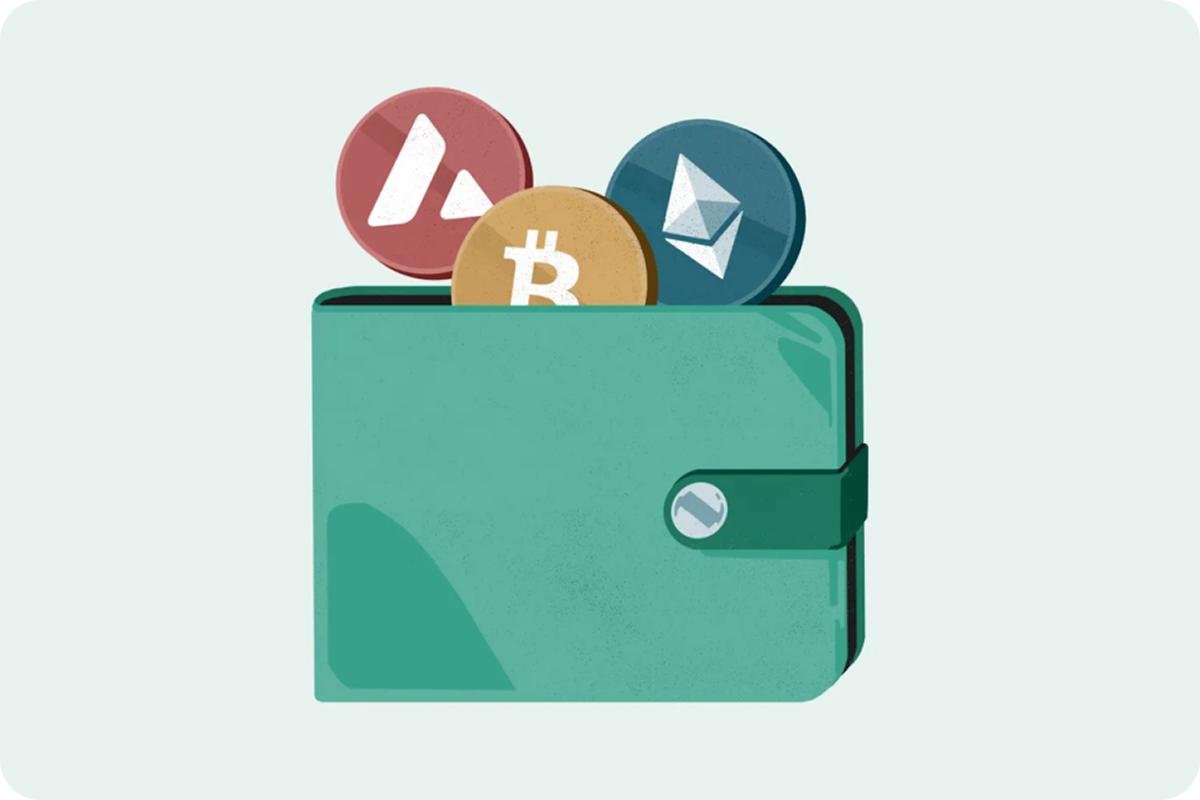
Unlike traditional bank accounts, crypto wallets do not store the coins themselves — instead, they manage the private and public keys that provide access to crypto assets on the blockchain. Without a wallet, it is impossible to conduct a transaction or verify ownership of cryptocurrency.
Table of Contents
What types of crypto wallets are there?
There are two main classes of crypto wallets: hot and cold.
- Hot wallets are connected to the Internet and are used through applications, browsers, mobile devices. They are convenient for daily transactions, but less secure due to the risk of online threats.
- Cold wallets work offline: it can be a hardware device or even a piece of paper with a written key. They are ideal for long-term storage of large amounts, since they are virtually invulnerable to hackers.
Wallets can also be divided into:
- Mobile and desktop applications (for example, Trust Wallet, Exodus)
- Online services (for example, MetaMask, Blockchain.com)
- Hardware wallets (Ledger, Trezor)
- Paper wallets – physical storage of keys
Advantages of crypto wallets
Crypto wallets give the user full control over assets, without intermediaries. Here are the key advantages:
- Decentralization: no need to trust banks or platforms.
- Fast transfers: sending funds takes a few minutes, regardless of geography.
- Privacy: anonymity at the wallet level – your address is not tied to your full name or passport.
- Low fees: many networks have lower transfer fees than traditional banking.
- Access anywhere in the world: all you need is the Internet and access to the keys.
Risks and Disadvantages of Crypto Wallets
Despite the powerful advantages, there are also significant risks:
- Loss of access: Loss of private key = loss of all funds. Without the possibility of recovery.
- Hacks: Hot wallets can be compromised by phishing attacks, malware, etc.
- Transaction errors: Transferred to the wrong place – money is gone forever.
- Unreliable services: Choosing an unverified wallet or a fraudulent application can cost you all your assets.
How to choose a crypto wallet
The choice depends on your goals:
- For long-term storage and large amounts – only hardware wallets.
- For everyday transactions – a mobile or web wallet with two-factor authentication.
- Make sure that the wallet supports the currencies you need and gives you control over private keys.
- Check the reputation of the developers, reviews and open source code (if you are an advanced user).
Conclusion
Crypto wallets are the basis of any work with digital assets. They provide freedom and independence, but require responsibility and a competent approach to security. Understanding the differences between wallet types and knowing the risks will help you manage your cryptocurrencies effectively and safely.
If necessary, I can additionally draw up a comparison table of hot and cold wallets or select recommendations for specific tasks.
Table of Contents
Share in the Social